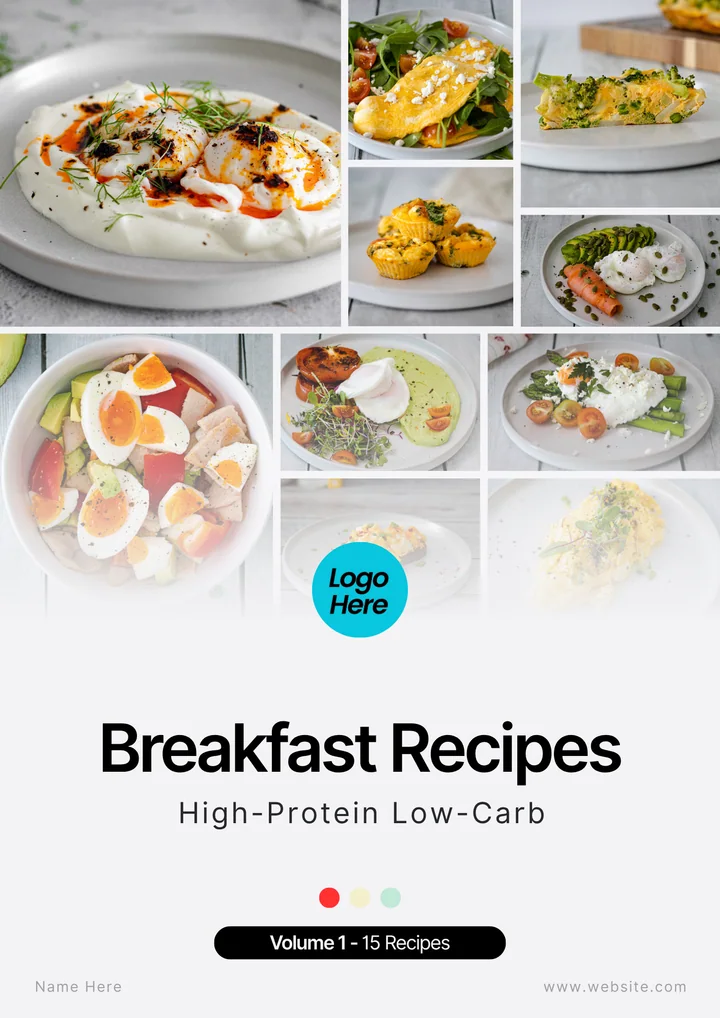
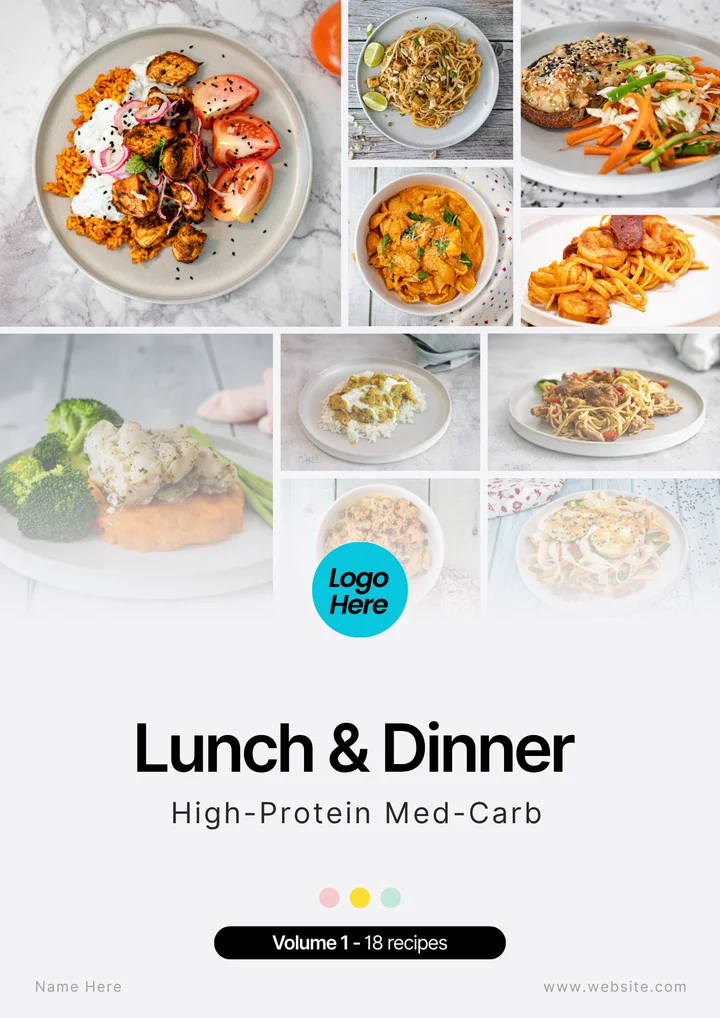
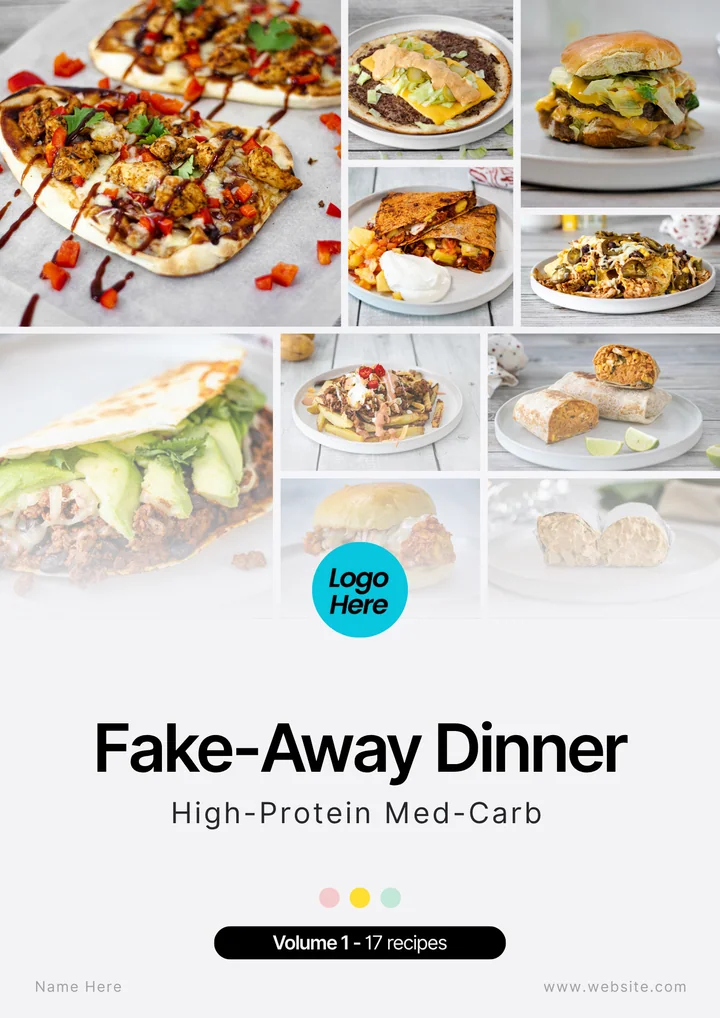
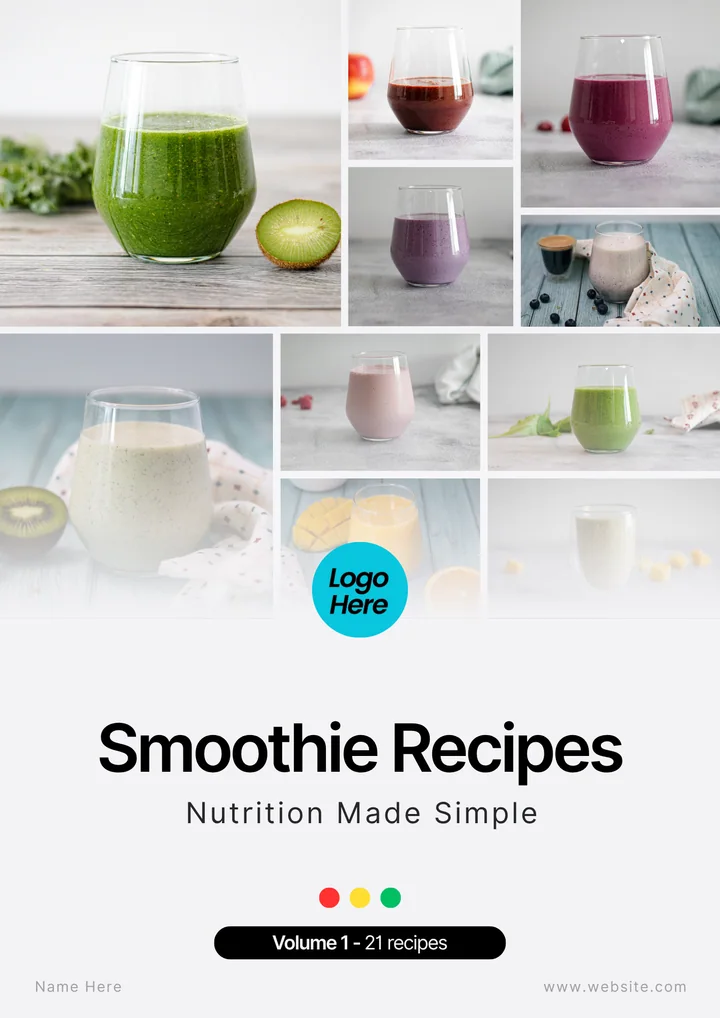
Two recipe books can look identical on a sales page: thirty breakfasts, good photographs and a blank space for your logo. One is sold as white-label, the other as PLR.
The difference isn’t in the design. It’s in the licence, and it usually shows up later: when you want to sell the book to your followers, give it away to grow your email list, load it into your coaching app or hand it to a coach you work with.
This guide explains what each label usually means, which one suits what you’re trying to do, and what to ask before you buy either.
01 / The short answer
The short answer
White-label content is made to be presented under your brand, mainly for your own clients. PLR (private label rights) content is usually sold so that buyers can edit it, put their own name on it and sell it as their own product, sometimes with the right to pass those rights on.
Neither term has a legal definition. Sellers use both loosely, and the licence attached to a particular product always decides what you can do. The first two columns below describe what the labels usually mean; the third shows The Content Cook’s licence.
| Can you… | Typical white-label | Typical PLR | The Content Cook |
|---|---|---|---|
| Add your logo, colours and contact details? | Yes | Yes | Yes |
| Edit the content? | Usually | Usually | Yes, including ingredients, quantities and nutrition information, which you then check |
| Share it with your coaching clients? | Yes: this is its main purpose | Usually | Yes, including within paid coaching |
| Sell finished copies to your own audience? | Often, but check | Usually | Yes, directly to your own audience for their personal use |
| Give it away as a free lead magnet? | Varies | Often | Yes, once it’s branded |
| Publish it openly on your website or social media? | Rarely | Varies | No; product listings and branded covers are fine |
| Sell or share the editable files? | No | Sometimes | No |
| Let others rebrand or resell it? | No | Sometimes | No |
| Own it exclusively? | No | No | No |
02 / PLR
What PLR usually means
PLR comes from the digital-products market, where articles, ebooks, courses and templates are sold in bulk to people who want something to publish or sell quickly. A PLR licence typically lets you rewrite the material, put your name on it as the author and sell it.
Two related terms often appear alongside it:
- Resell rights let you sell the product to end users, usually without changing it.
- Master resell rights (MRR) let you sell it and pass on the right to resell it, so your buyers can sell it too.
Some PLR licences are “transferable”, meaning you can sell the content with PLR rights attached. Others forbid giving the material away, set a minimum price or restrict where it can appear. The labels are shorthand; the licence text is what counts.
Because PLR is sold to many buyers at once, the same book or article may already be on sale under dozens of other names. That isn’t necessarily a problem for a client handout. It matters more if you want your product or your website to stand out.
03 / White-label
What white-label usually means
White-label resources are made by one business and licensed to another to present under its own brand. For a coach, that usually means you add your logo, colours and contact details, adapt the wording and give the finished material to your clients as part of your service.
The producer keeps ownership of the underlying content. You receive permission to use it in particular ways, and other coaches can buy the same resources. What a white-label licence rarely allows is passing those rights on: you can’t usually sell the editable files or let another business rebrand them.
Our guide to white-label nutrition resources covers the formats coaches use and why many choose them over creating everything from scratch.
04 / Choosing
Start from what you want to do
The right licence depends less on the content than on where you want it to go. Work backwards from the use:
| You want to… | What the licence needs to allow |
|---|---|
| Give your coaching clients branded recipes or guides | Branding, editing and sharing with clients. A white-label licence is built for this. |
| Sell a branded recipe ebook to your followers | Selling finished copies to your own audience. Some white-label licences allow it; PLR usually does. Our guide to creating a recipe ebook for your clients covers the rest of the process. |
| Offer a free download to grow your email list | Free distribution to people who aren’t yet clients. Check this specifically: many licences that allow selling don’t allow giving away. |
| Publish recipes or articles on your website or social media | Public publication. Few recipe licences allow this; content sold as social media templates is the exception. |
| Build a product library to sell to other coaches | Resale or transferable rights (PLR with transferable rights, or MRR), or content you’ve created yourself. |
| Show recipes inside your coaching app | Display within a private client area, limited to your own clients. |
If more than one row applies, the licence needs to cover each of them. A licence that suits client handouts may not cover a lead magnet, and one that allows a lead magnet may not cover an app.
05 / Nutrition content
Extra checks for nutrition content
Recipes and nutrition guides carry information your clients act on, so the licence isn’t the only thing to check. Whichever label a product uses, look for:
- Who wrote it. A named author with relevant qualifications is easier to trust than an anonymous bundle.
- How the nutrition values were worked out. Per-serving figures should come from a stated method, such as a food composition database, rather than appearing without explanation.
- Allergen information. Treat labels as a starting point and check ingredients and packaging before relying on them.
- Claims and sources. Health claims should be modest and, where they matter, referenced.
- What happens when you edit. If you change an ingredient or a portion, the nutrition values, allergens and photographs may no longer match. In editable templates, values don’t recalculate by themselves.
Bulk PLR is often written to fill a catalogue quickly, so these checks matter most there. But they apply to every ready-made resource, ours included.
06 / Before you buy
Questions to ask before you buy
Read the licence with your intended uses in mind. If it doesn’t answer one of these, ask the seller before buying.
| Topic | Ask |
|---|---|
| Branding and editing | Can I add my brand, change the wording and edit recipes, quantities and nutrition information? |
| Clients | Can I share finished materials with my clients, including in paid programmes and my coaching app? |
| Selling | Can I sell finished copies? Only through my own website, or through marketplaces too? |
| Giving away | Can I offer it free to people who aren’t yet clients? |
| Publishing | Can recipes, photographs or text appear publicly on my website or social media? |
| Passing on | Can my clients or buyers reuse, rebrand or resell what they receive? What should I tell them? |
| Images | Are the photographs included in the licence, and only with their recipes? |
| Duration | Do my rights continue if I stop paying, the product is withdrawn or the seller closes? |
| Quality | Who wrote it, how were the nutrition values calculated, and when was it last reviewed? |
07 / The Content Cook
Where our licence fits
The Content Cook’s resources are sold under a white-label licence, not PLR. In summary, once you’ve paid you can:
- add your business name, logo, colours and contact details;
- translate and edit the content, including ingredients, serving quantities and nutrition information;
- share finished, branded materials with your own coaching clients, including in paid coaching;
- sell finished, branded materials directly to your own audience for their personal use;
- give finished, branded materials away, for example as a lead magnet;
- display branded content in your own coaching app or private client area, for your current clients.
You can’t share the Canva templates or source files, publish the recipes or photographs openly, give anyone else the right to rebrand or resell them, or use the content to train AI tools. Tell people who receive your finished materials that they’re for personal use.
The licensing terms are the full version and take precedence over this summary. If a use you have in mind isn’t covered, email ronan@thecontentcook.co before you rely on it.
The Recipe Book Bundle
White-label recipe books.
Ready for your brand.
31 editable recipe books with 600+ recipes, macros, MyFitnessPal barcodes and allergen labels. Add your branding in Canva Free, then share or sell the finished books under the white-label licence.
Explore the Recipe Book Bundle