Flexible Dieting: How to Ditch Rigid Rules and Still Crush Your Goals

Flexible dieting tosses out the all-or-nothing diet trap for a smarter, saner approach. Inspired by Lyle McDonald’s A Guide to Flexible Dieting, this post breaks down how to lose fat, keep muscle, and still enjoy that cookie—guilt-free. From free meals to full diet breaks, here’s your guide to a diet that fits your life, not the other way around.

Share This Post

Introduction

Picture this: You’re three weeks into a strict diet, feeling unstoppable—until a coworker waves a chocolate chip cookie under your nose. One bite turns into a spiral of guilt, and suddenly you’re elbow-deep in the snack drawer, thinking, “Well, I’ve already ruined it.” Sound familiar? Most of us have been there, trapped by the rigid rules of traditional dieting. But what if there was a better way—a way to enjoy that cookie and still hit your goals?

Enter flexible dieting: the anti-diet diet that’s all about consistency, not perfection. Inspired by Lyle McDonald’s groundbreaking book, A Guide to Flexible Dieting, this approach throws out the all-or-nothing playbook and replaces it with something sustainable, sane, and—dare we say—fun. In this post, we’re breaking down what flexible dieting really means, why it works, and how you can start using it to take control of your nutrition without losing your mind.

What Is Flexible Dieting?

Flexible dieting isn’t a fad or a fancy meal plan—it’s a mindset shift that puts you back in the driver’s seat of your nutrition. At its core, it’s about hitting your calorie and macronutrient goals (think protein, carbs, and fats) while leaving room for the foods you actually enjoy. No banned food lists, no “cheat day” shame—just a practical way to eat that fits your life.

Compare that to rigid dieting, where one misstep—like a slice of pizza at a party—can feel like a personal failure. Rigid dieters often live in a black-and-white world: you’re either “on” the diet or you’ve fallen off completely. That all-or-nothing trap? It’s a recipe for burnout. Lyle McDonald, in A Guide to Flexible Dieting, points out that being less strict can actually make your diet more effective over time. Why? Because it’s built for humans, not robots.

The big takeaway here is simple: Flexible dieting isn’t about being perfect every meal—it’s about making progress over weeks and months. Whether you’re aiming to lose fat, build muscle, or just feel better, this approach lets you work with your cravings, not against them. So, yes, that cookie can fit—just not the whole bakery.

Why Rigid Diets Fail (And Flexible Diets Succeed)

Rigid diets sound great on paper—cut out carbs, ban sugar, weigh your broccoli to the gram—but they often crumble in real life. Why? It’s a mix of mind games and biology working against you. Psychologically, rigid rules breed absolutist thinking: “I ate a donut, so I’m a failure.” That guilt can snowball into abandoning the diet entirely. Physically, super-strict plans wreak havoc over time—your metabolism slows, hunger hormones like leptin tank, and you’re left cranky and depleted.

Lyle McDonald nails it in A Guide to Flexible Dieting: Rigid dieters often end up weighing more in the long run because they can’t stick with it. The data backs him up—studies show strict dieters struggle with adherence, while those with some wiggle room keep going. Flexible dieting flips the script by dodging these traps. It’s not about surviving a diet; it’s about thriving through it.

Think about it: A rigid diet might leave you hiding from birthday cake or dreading a dinner out. Flexible dieting says, “Go ahead, have a slice—just balance it out later.” McDonald’s research shows this adaptability doesn’t just save your sanity—it keeps your body on track too. Less stress, fewer binges, and a happier metabolism. That’s why flexible beats fanatical every time.

The Core Tools of Flexible Dieting

Flexible dieting isn’t just a free-for-all—it’s strategic flexibility, and Lyle McDonald’s A Guide to Flexible Dieting lays out three killer tools to make it work. These aren’t random cheats; they’re calculated moves to keep you on track while enjoying life. Here’s the breakdown:

Free Meals

This is your guilt-free pass to eat off-plan for one meal. Craving pizza? Have it—just don’t turn it into a weekend buffet. McDonald says a single meal (about 10-20% of your daily calories) won’t derail fat loss, but it will keep you sane. Best for: Anyone who needs a mental breather without blowing their progress.

Structured Refeeds

These are planned higher-calorie days—usually heavy on carbs—to recharge your body and mind. Think 12-48 hours of extra food (500-1000 calories above maintenance) to boost leptin, rev your metabolism, and refill muscle glycogen. McDonald recommends this for leaner folks (under 15% body fat for men, 22% for women) or those deep into a diet. It’s like hitting the reset button.

Full Diet Breaks

This is the big one—10-14 days eating at maintenance calories. It’s not a free-for-all; it’s a deliberate pause to let your hormones recover and your willpower recharge. Perfect for long-term dieters or when fat loss stalls. McDonald’s insight? It prevents the dreaded “metabolic slowdown” and sets you up for the next push.


How to use them? Start small—try a free meal once a week. If you’re leaner or feeling drained, experiment with a refeed. Been dieting for months? Take a diet break. These tools aren’t one-size-fits-all—tweak them to your goals, body, and lifestyle. The point? Flexibility with a purpose.


How to Start Flexible Dieting Today

Ready to give flexible dieting a shot? You don’t need a PhD in nutrition—just a few simple steps to get rolling. Here’s how to kick things off, inspired by Lyle McDonald’s practical approach in A Guide to Flexible Dieting:

Know Your Baseline

Figure out your maintenance calories—how much you’d eat to stay the same weight. Online calculators (like TDEE estimators) can help, or multiply your body weight in pounds by 14-16 for a rough start. Bonus points: Estimate your body fat percentage (even a guess works) to fine-tune your plan. This sets the stage for everything else.

Set Realistic Goals

Focus on fat loss, not just weight loss—McDonald’s big on this distinction. Aim for a modest calorie deficit (300-500 below maintenance) to shed fat without tanking your energy. Pick a protein target (around 0.8-1 gram per pound of body weight) to preserve muscle, then fill in carbs and fats based on what you love. No food’s off-limits—just make it fit.

Plan Flexibility

Schedule your first “flexible move.” Maybe it’s a free meal this Friday—tacos with friends—or a carb-heavy refeed after a tough gym week. Keep it intentional, not impulsive. McDonald’s rule: Balance indulgence with structure. A burger’s fine; a food coma’s not.


Track Progress, Not Perfection

Use a food diary or app (like MyFitnessPal) to log what you eat. Don’t obsess over every gram—aim for 80-90% consistency. Slip-ups happen (that extra slice of cake? Life goes on). McDonald says it’s the trend over weeks that matters, not one “bad” day.


Here’s the kicker: You’re not failing if you stumble—you’re learning. Start with one free meal this week and see how it feels. Adjust as you go. Flexible dieting’s all about building a system you can live with, not a cage you’re trapped in.


Benefits of Going Flexible

So why bother with flexible dieting? Because it’s the rare approach that doesn’t just promise results—it delivers them without making your life miserable. Here’s what you stand to gain, straight from the wisdom of Lyle McDonald’s A Guide to Flexible Dieting and real-world results:

Sustainability

Crash diets are a sprint; flexible dieting’s a marathon. By weaving in foods you love and strategic breaks, you’re building a plan you can stick to for months—or years—not just a frantic 30-day purge. It’s lifestyle-friendly, not life-destroying.

Mental Freedom

Say goodbye to food guilt. No more labeling ice cream as “bad” or stressing over a holiday feast. Flexible dieting reframes food as fuel and fun, not a moral test. McDonald’s take? This mental shift slashes binge risk and keeps you in control.

Physical Perks

Consistency pays off. With tools like refeeds and diet breaks, you’re less likely to lose muscle, tank your metabolism, or hit a fat-loss wall. Your body stays happy—less hunger, more energy—and that makes sticking to it way easier.


McDonald sums it up perfectly: “The best diet is the one you can stick to.” Flexible dieting isn’t about perfection—it’s about progress that lasts. Whether you’re dropping fat, maintaining, or just want to eat like a human again, this approach delivers without the drama. The proof? You’ll feel it when you’re still crushing goals months later, while rigid dieters are back at square one.


Conclusion

Flexible dieting flips the script on everything you’ve been told about losing fat or hitting fitness goals. It’s not about starvation, banned foods, or white-knuckling your way through temptation—it’s about adaptability, balance, and owning your nutrition. This approach ditches the rigid rulebook for something smarter: a diet that bends without breaking.

Ready to try it? Pick one strategy this week—maybe a free meal to enjoy that burger guilt-free—and see how it fits. If you’re hungry for more, grab McDonald’s book for the full playbook. The bottom line? Your diet shouldn’t control you—you should control it. Start small, stay consistent, and watch how far flexibility can take you.

More To Explore

Transform your nutrition services

Get access to professional recipe cards for your nutrition coaching business

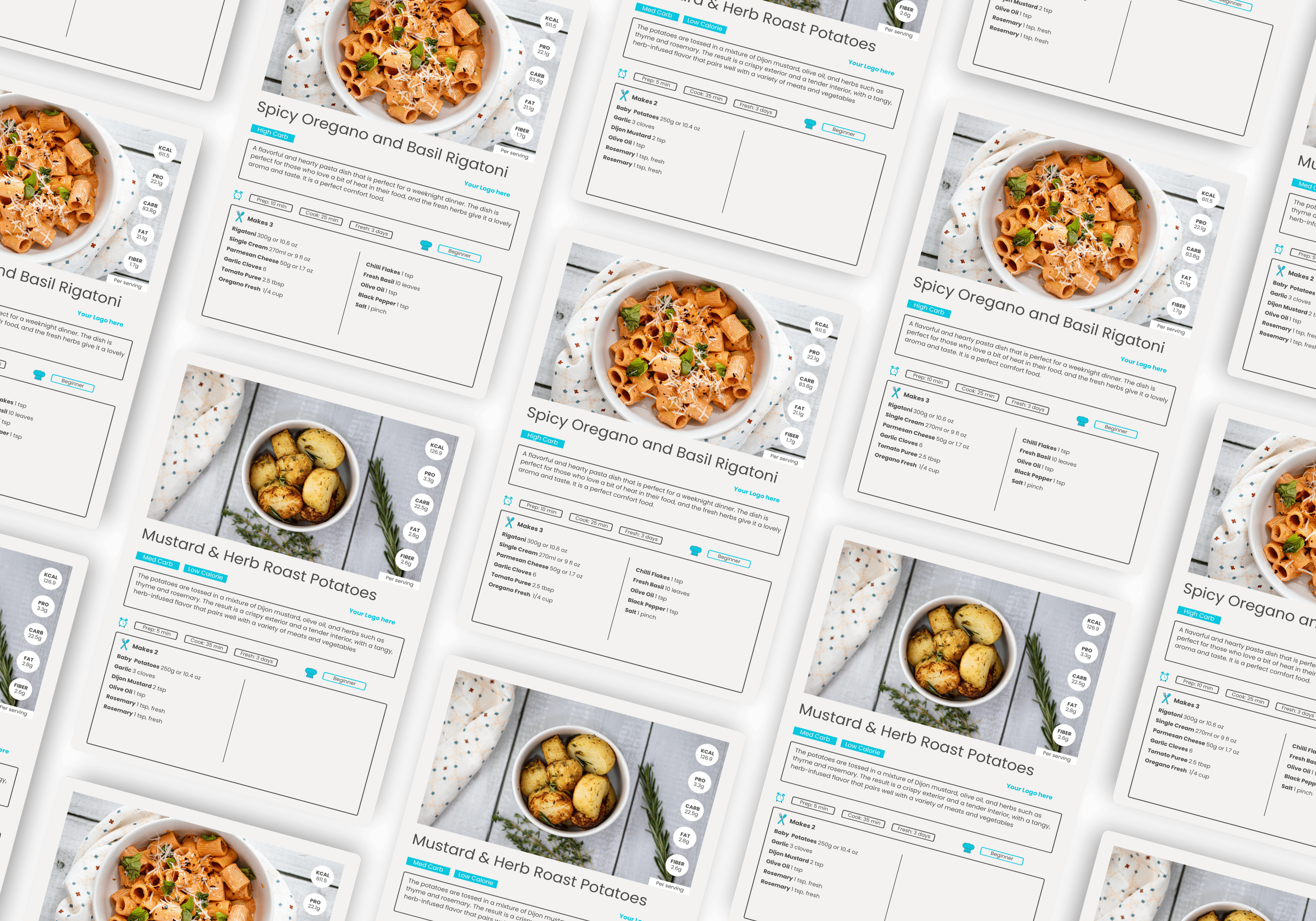
Multiple recipe card mock-ups